Agentcities was founded on a straightforward but ambitious premise: the technologies needed to build truly interoperable, globally distributed agent systems already existed in prototype — what was missing was a shared open environment in which to develop and test them at scale.
The Mission
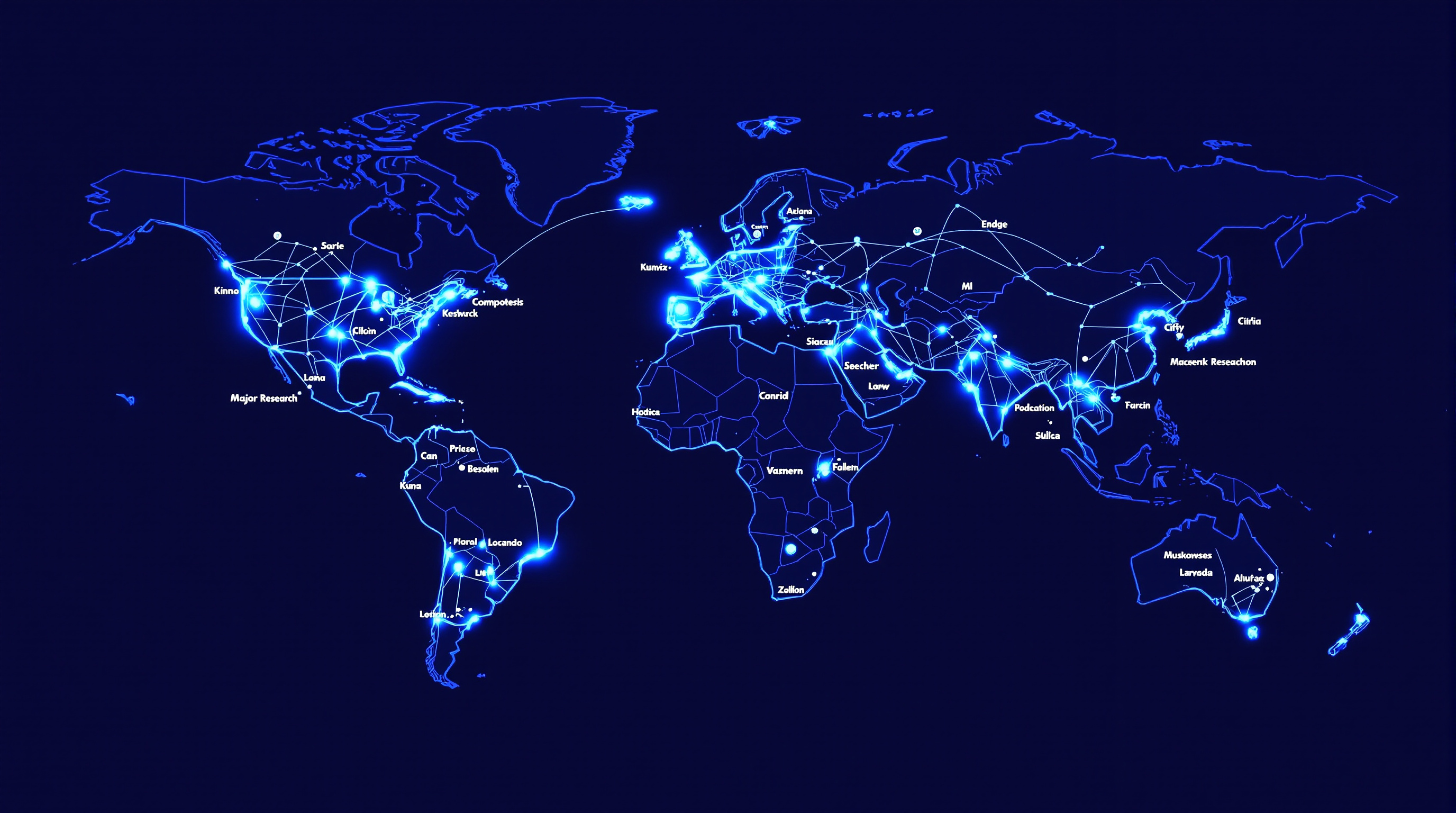
The Agentcities initiative set out to construct an open network of online systems hosting diverse agent-based services. Unlike isolated laboratory experiments, the Agentcities testbed was a live, globally distributed infrastructure operated by dozens of organizations simultaneously. Participating platforms deployed real agent services, and the network exercised real interoperability challenges across institutional, geographic, and technical boundaries.
The initiative was specifically designed to support the maturation of FIPA (Foundation for Intelligent Physical Agents) standards — moving them from specification to large-scale operational practice. By running a persistent global testbed, Agentcities generated the kind of real-world feedback that only deployment can provide.
The Agentcities Task Force (ACTF)
Coordination was handled by the Agentcities Task Force (ACTF), an open, self-governing body that provided organizational structure without imposing a centralized hierarchy. The ACTF oversaw:
- Working Groups — technical subcommittees addressing specific challenges (architecture, ontology, web services, healthcare applications, and more)
- Technical Recommendations — published specifications for interoperability between network participants
- Information Days (iD events) — annual international conferences combining demonstrations, workshops, and strategic planning
- Mailing lists and online collaboration — enabling the distributed community to work across time zones
The ACTF operated by consensus and welcomed participation from any organization willing to connect to the network and contribute to its development.
Global Reach
At its peak, the Agentcities network connected organizations from more than 20 countries across Europe, North America, Asia, and beyond. European participation was structured through the Agentcities.NET project, funded under the EU 5th Framework Programme for Research and Technological Development, which provided resources for European partners to connect platforms, deploy services, and contribute to working group activities.
National branches — including Agentcities.ES (Spain) and Agentcities.UK (United Kingdom) — helped coordinate regional participation and adapt the global framework to local research ecosystems. The Agentcities.RTD project contributed dedicated research outputs including technical demonstrations and draft recommendations.
The openNet Evolution
By 2003-2004, the Agentcities community began planning its next phase under the name openNet — a broader forum designed to support not just FIPA-based agent platforms but the full emerging landscape of Semantic Web Services, GRID computing, and next-generation distributed systems. The openNet Forum represented an effort to consolidate the lessons of Agentcities into a sustainable, forward-looking research infrastructure.
While the Agentcities testbed wound down around 2005, the intellectual community it formed continued to contribute to standards bodies, academic research, and the commercial technologies that drew on agent-based computing concepts. For researchers interested in the history and technical foundations of intelligent distributed systems, AAMAS (Autonomous Agents and Multi-Agent Systems) conferences document the scholarly lineage of this work.